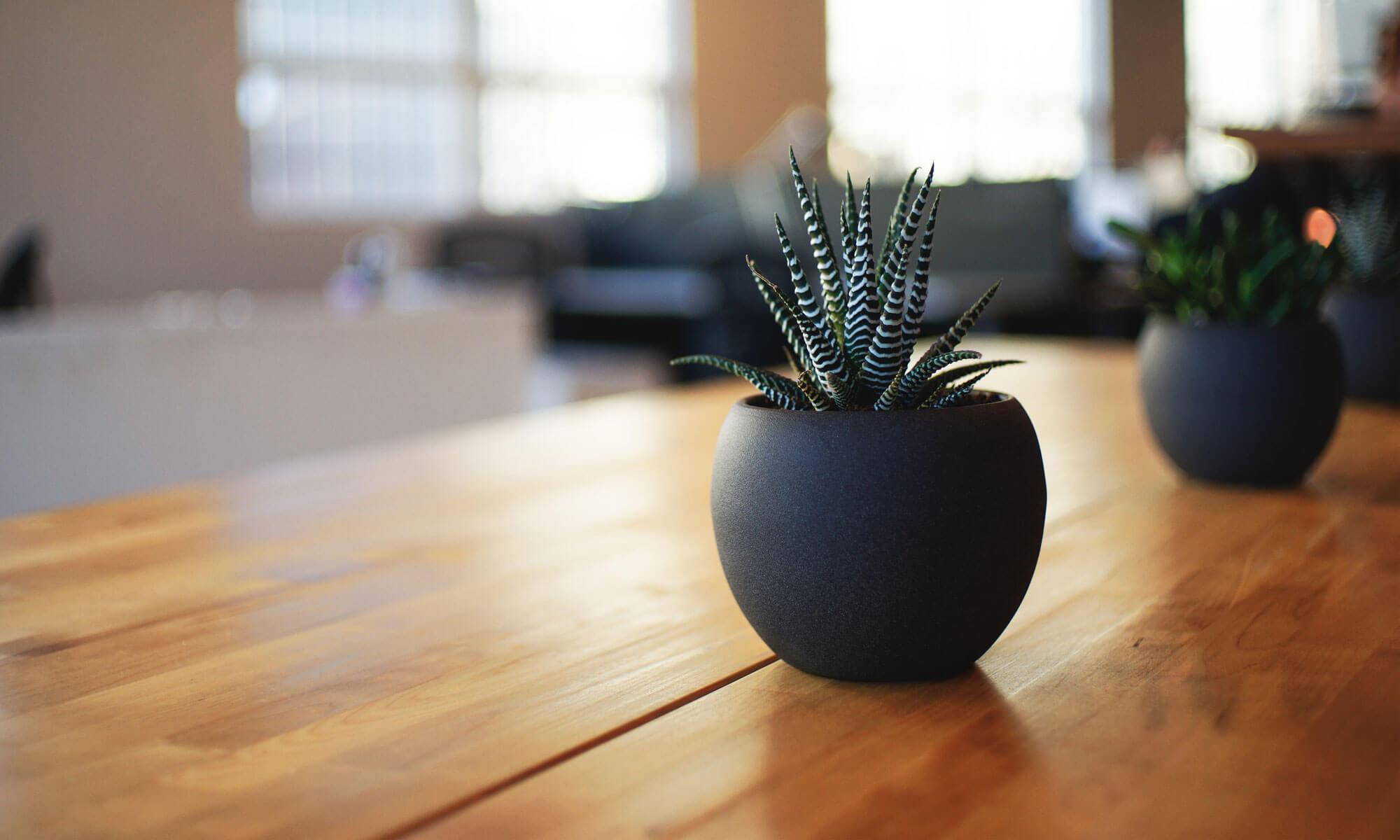

- Vibrant interiors and spinpins.co.uk create welcoming spaces for modern living and stylish design
- The Evolution of Interior Design Styles
- The Impact of Technology on Home Décor
- Creating Cohesive Colour Palettes
- The Importance of Texture and Material
- The Role of Lighting in Interior Spaces
- Choosing the Right Fixtures and Fittings
- Maximizing Space in Small Living Areas
- The Future of Interior Design and Sustainable Practices
Vibrant interiors and spinpins.co.uk create welcoming spaces for modern living and stylish design
Creating a comfortable and aesthetically pleasing home is a goal for many, and the right interior design choices play a crucial role in achieving this. From furniture selection to color palettes and decorative accents, every detail contributes to the overall atmosphere of a living space. Finding unique and inspiring pieces can often be a challenge, but resources like spinpins.co.uk offer a curated collection of items that can transform a house into a home. The focus on modern living and stylish design provides a great starting point for those looking to refresh their interiors.
Contemporary design trends often emphasize minimalism, functionality, and a connection to nature. Many homeowners are seeking ways to create spaces that are both visually appealing and conducive to relaxation and productivity. This involves careful consideration of lighting, materials, and the overall flow of the room. The desire for personalization is also strong, with individuals looking to express their unique tastes and preferences through their home décor. A key element in achieving this is the thoughtful selection of accessories and statement pieces that reflect personal style and create a welcoming environment.
The Evolution of Interior Design Styles
Interior design isn't static; it’s a constantly evolving art form influenced by historical periods, cultural shifts, and technological advancements. For decades, distinct styles have emerged and re-emerged, each offering a unique aesthetic. Mid-century modern, for instance, experienced a resurgence in popularity due to its clean lines, organic shapes, and emphasis on functionality. The Scandinavian aesthetic, with its focus on simplicity, natural materials, and light-filled spaces, has also gained significant traction. More recently, we’ve seen the rise of maximalism, a bold departure from minimalism that embraces vibrant colors, eclectic patterns, and layered textures. Understanding these different styles is crucial for anyone embarking on an interior design project, allowing them to create a space that feels both timeless and current.
The Impact of Technology on Home Décor
Technology has revolutionized the way we approach interior design, offering tools and resources that were previously unavailable. Virtual reality and augmented reality applications allow homeowners to visualize different design schemes in their own spaces before committing to any changes. Online platforms provide access to a vast array of furniture, décor, and design inspiration, making it easier than ever to find the perfect pieces. Smart home technology, such as automated lighting and climate control, further enhances the comfort and convenience of modern living. The integration of technology into interior design is not merely about aesthetics; it’s about creating spaces that are more functional, efficient, and responsive to our needs. This innovation continues to shape how we interact with our homes and encourages the development of innovative, visually captivating interiors.
| Design Style | Key Characteristics |
|---|---|
| Mid-Century Modern | Clean lines, organic shapes, functional, warm woods. |
| Scandinavian | Simplicity, natural materials, light colors, cozy. |
| Bohemian | Eclectic, vibrant colors, layered textures, global influences. |
| Minimalist | Clean, uncluttered, neutral colors, focus on essential elements. |
Choosing the right style depends on the individuals preferences and the overall atmosphere they hope to create. Whether it’s the clean lines of mid-century modern or the eclectic vibe of a bohemian space, understanding the core characteristics of each style is the first step toward designing a home that reflects personal taste.
Creating Cohesive Colour Palettes
Colour plays a pivotal role in interior design, influencing mood, perception, and the overall aesthetic of a space. A well-chosen colour palette can transform a room, making it feel more inviting, spacious, or energetic. It’s important to consider the psychological effects of different colors; for instance, blue is often associated with calmness and serenity, while red can evoke feelings of excitement and energy. When developing a colour palette, it’s helpful to start with a neutral base and then add accent colours to create visual interest. The 60-30-10 rule is a useful guideline: 60% of the room should be dominated by a dominant color, 30% by a secondary color, and 10% by an accent colour. This provides balance and prevents the space from feeling overwhelming. Individuals exploring various color options can draw inspiration from nature, art, or fashion.
The Importance of Texture and Material
While color is crucial, texture and material can significantly enhance the depth and visual appeal of an interior space. Incorporating a variety of textures—such as soft fabrics, smooth surfaces, and rough natural materials—adds layers of interest and creates a more inviting atmosphere. Consider combining materials like wood, metal, glass, and stone to achieve a balanced and sophisticated look. The choice of materials should also reflect the overall style of the design. For example, natural materials like wood and linen are well-suited to Scandinavian or rustic interiors, while sleek materials like metal and glass are often used in modern designs. Thoughtful consideration of texture and material takes an interior from functional to feeling lived-in and welcoming.
- Texture adds depth and complexity.
- Varying materials create visual interest.
- Materials should complement the overall style.
- Consider the psychological impact of different textures.
The subtle elevation that texture and materials create can be the defining characteristic of a thoughtfully designed space. Attention to these elements transforms a room from simply furnished to a carefully curated, harmonious environment.
The Role of Lighting in Interior Spaces
Lighting is often overlooked, but it’s one of the most impactful elements of interior design. Effective lighting can dramatically alter the mood and functionality of a space. There are three main types of lighting to consider: ambient, task, and accent. Ambient lighting provides overall illumination, while task lighting is focused on specific areas where activities take place, such as reading or cooking. Accent lighting is used to highlight architectural features or artwork. Layering these different types of lighting creates a well-balanced and visually appealing environment. Natural light is also essential; maximize its use by choosing sheer curtains and strategically placing mirrors. Consider the color temperature of your light bulbs, as warmer tones create a cozy atmosphere, while cooler tones promote alertness.
Choosing the Right Fixtures and Fittings
Selecting the right lighting fixtures and fittings is crucial for achieving the desired aesthetic and functionality. Consider the style of your interior design when choosing fixtures; for example, a modern space might feature sleek, minimalist pendants, while a traditional space might call for ornate chandeliers. Ensure that fixtures are appropriately sized for the room and provide adequate illumination. Energy-efficient lighting options, such as LED bulbs, are a sustainable choice that can also save money on energy bills. Dimmer switches allow you to adjust the intensity of the light, creating different moods and atmospheres. The placement of fixtures is also important; strategically positioning lights can highlight focal points and create a sense of depth.
- Ambient lighting provides overall illumination.
- Task lighting focuses on specific activities.
- Accent lighting highlights features.
- Maximize natural light whenever possible.
Ultimately, successful lighting design is about creating a comfortable, functional, and visually appealing environment. It's about understanding how light impacts mood and perception, and then using that knowledge to create a space that truly enhances the quality of life.
Maximizing Space in Small Living Areas
Living in smaller homes or apartments requires clever design solutions to maximize space and create a sense of openness. Multifunctional furniture, such as sofa beds and storage ottomans, is an excellent way to make the most of limited square footage. Vertical storage solutions, such as tall bookshelves and wall-mounted shelves, utilize otherwise unused space. Mirrors can visually expand a room, making it feel larger and brighter. Light colors and minimal clutter also contribute to a more spacious feel. Consider streamlining your belongings and decluttering regularly to create a more organized and serene environment. Thoughtfully designed small spaces can be just as comfortable and stylish as larger homes.
Another technique to enhance space in smaller areas is the utilization of consistent flooring throughout connected rooms. This creates a visual flow, minimizing the appearance of breaks and making the entire area feel more cohesive. Careful selection of furniture pieces, opting for those with exposed legs or a lighter visual weight, also contributes to an open feel. These seemingly minor changes can make a significant difference in how a small space is perceived and experienced.
The Future of Interior Design and Sustainable Practices
The future of interior design is increasingly focused on sustainability and well-being. Consumers are becoming more aware of the environmental impact of their choices and are seeking eco-friendly materials and practices. This includes opting for furniture made from recycled materials, choosing low-VOC paints, and incorporating energy-efficient lighting. Biophilic design, which incorporates natural elements into the built environment, is also gaining popularity. This involves bringing the outdoors in through plants, natural light, and natural materials, creating spaces that promote relaxation and connection to nature. This push towards sustainability isn’t just a trend; it’s a fundamental shift in how we think about our homes and our relationship with the environment.
The integration of smart home technology will continue to evolve, with a greater emphasis on personalization and automation. This will allow homeowners to create spaces that are tailored to their individual needs and preferences, optimizing comfort, convenience, and energy efficiency. Resources like spinpins.co.uk will likely play a key role in connecting consumers with innovative and sustainable design solutions, offering curated collections of eco-friendly products and inspiration for creating a healthier, more harmonious home. The growth of online platforms and virtual design tools will further empower homeowners to take control of their interior design projects and create spaces that truly reflect their values and lifestyles.